

This post is also available in:
 עברית (Hebrew)
Modern air-defense systems are becoming increasingly capable of detecting, tracking, and intercepting conventional threats. Cruise missiles can fly low and maneuver around terrain, but they are relatively slow and spend significant time within the engagement envelope of defensive systems. Traditional ground-launched ballistic missiles offer high speed but often reveal their approximate launch location and follow more predictable flight paths.
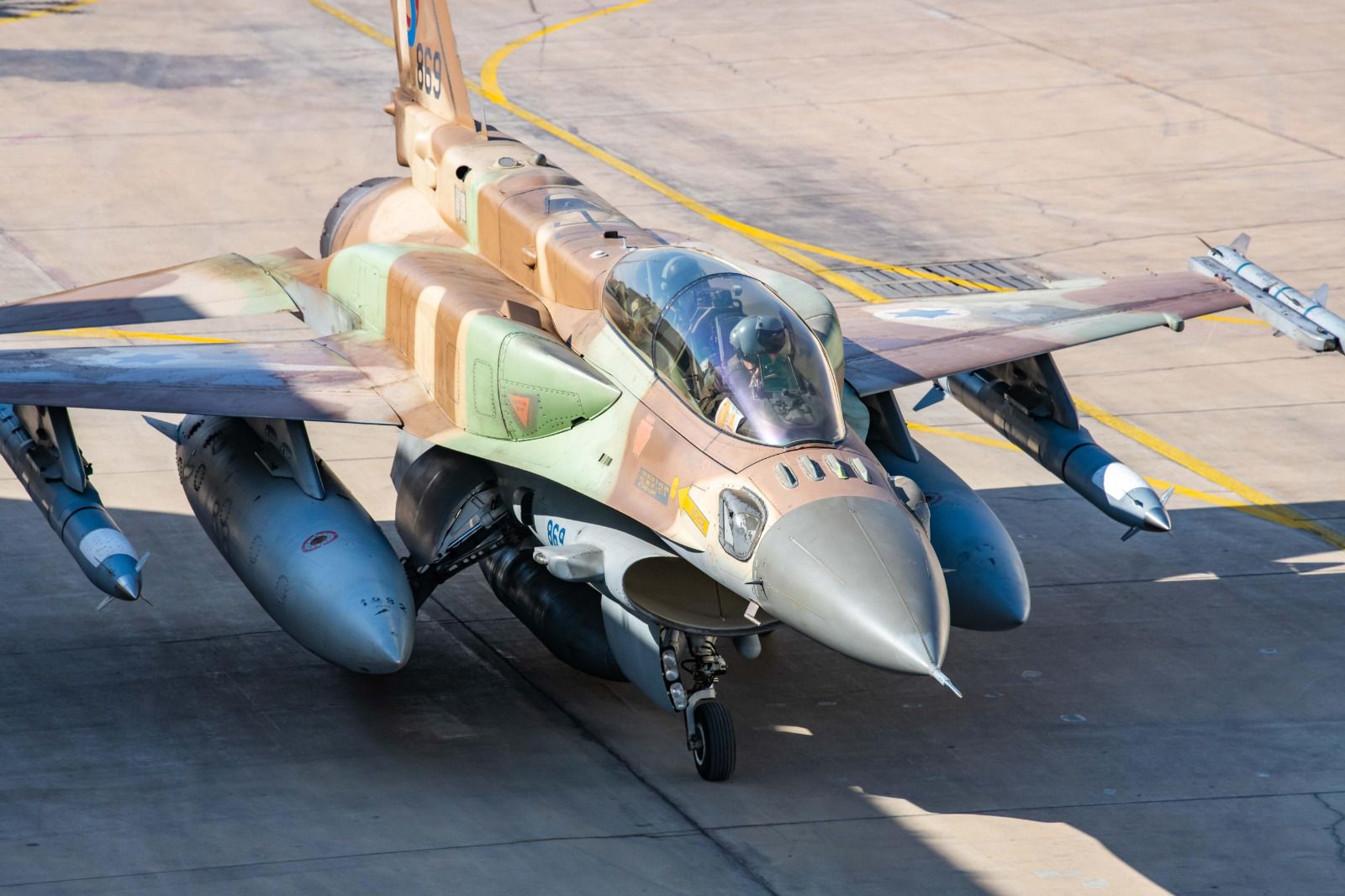
Air-launched ballistic missiles are designed to combine some of the advantages of both approaches. Carried by combat aircraft and released from stand-off distances, these weapons can approach targets from unexpected directions while traveling at much higher speeds than most cruise missiles.
Recent reports by Iran against Israel have renewed attention on this class of weapon, a capability believed to exist in only a limited number of military arsenals. Unlike cruise missiles that rely on sustained aerodynamic flight, air-launched ballistic missiles are released from an aircraft and then accelerated by a rocket motor. After launch, they follow a high-speed ballistic trajectory toward the target, reducing the time available for detection and interception.
One example often associated with this category is the Rocks missile (developed by Rafael), an air-to-surface weapon designed for launch from outside the coverage area of hostile air-defense systems. According to publicly available descriptions, the missile follows a supersonic trajectory and is intended to engage high-value targets even in environments where electronic warfare and countermeasures are present.
Another system frequently discussed is Rampage (produced by Elbit Systems and the IAI), which has been reported to provide stand-off strike capability at ranges of approximately 150 kilometers. By launching from significant distances, aircraft can remain farther from hostile air-defense networks while still delivering precision effects against defended targets.
From a defense perspective, the appeal of air-launched ballistic missiles lies largely in survivability and reaction time. Their speed compresses the defender’s decision window, while the aircraft launch platform introduces flexibility regarding launch direction and attack geometry. These characteristics can complicate interception efforts compared to threats arriving from known ground-launch locations.
The broader trend reflects how long-range precision strike technologies continue to evolve in response to increasingly sophisticated air-defense systems. As militaries seek ways to penetrate contested environments without exposing aircraft to unnecessary risk, air-launched ballistic missiles are emerging as another option in the expanding toolkit of stand-off precision weapons.























