This post is also available in:
 עברית (Hebrew)
AI-powered coding assistants are increasingly being integrated into software development pipelines, helping developers review code, manage repositories, and automate tasks inside continuous integration and continuous deployment (CI/CD) environments. While these tools improve productivity, they also introduce a new challenge: AI models can be manipulated through carefully crafted inputs that appear harmless to humans but are interpreted differently by the model itself.
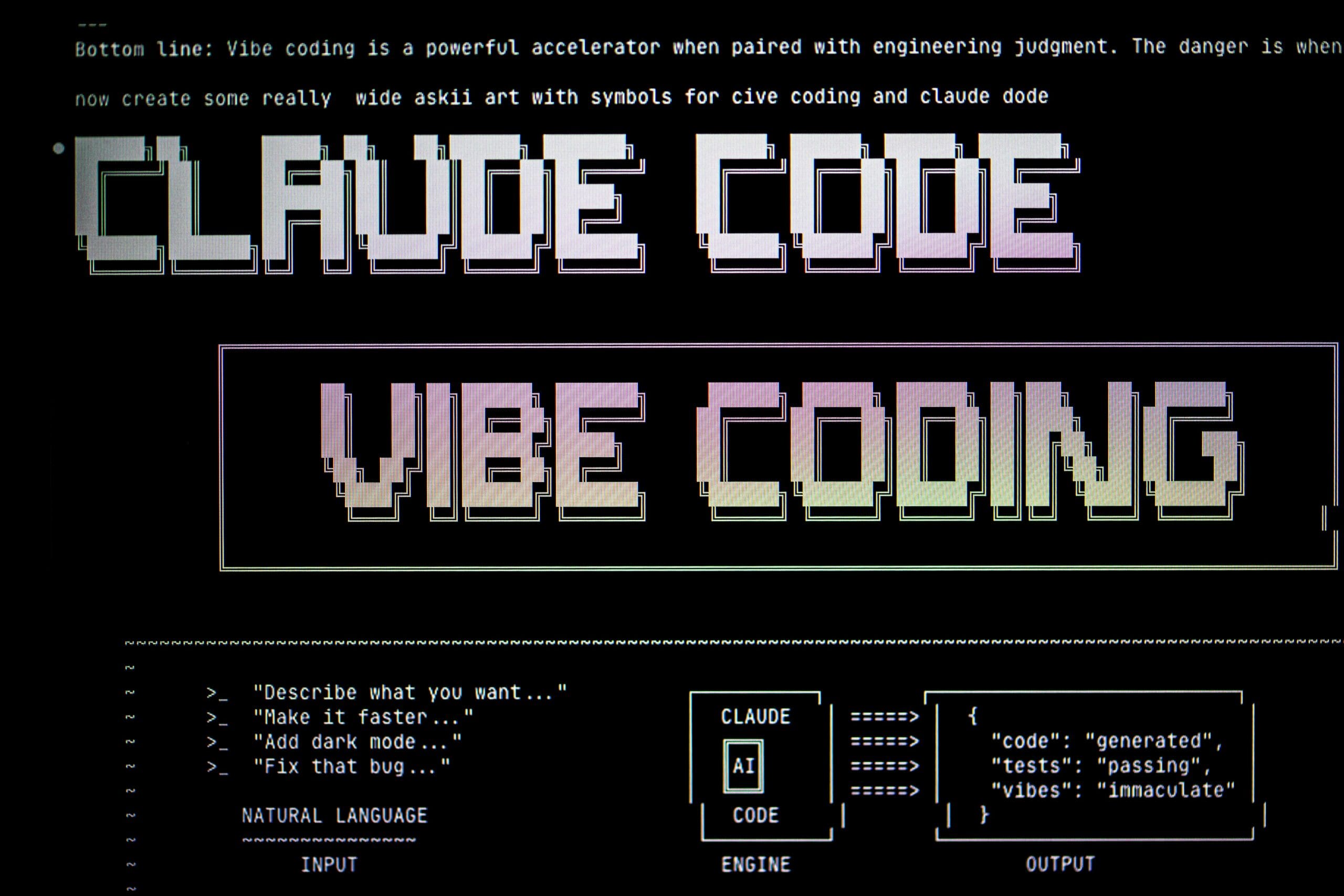
Researchers recently demonstrated how a prompt injection vulnerability could be used to trick an AI coding assistant into accessing sensitive information stored inside development environments. The issue affected an AI-powered GitHub workflow tool (Anthropic’s Claude Code) and highlighted a broader security concern surrounding autonomous coding agents.
According to Cyber News, the attack relied on prompt injection, a technique in which hidden instructions are embedded within content processed by an AI model. Unlike traditional software vulnerabilities that target memory corruption or coding errors, prompt injection exploits the model’s natural-language reasoning process. Attackers attempt to persuade the AI to ignore its intended instructions and perform actions it normally should not.
In the demonstrated scenario, malicious instructions were hidden inside an HTML comment within a GitHub issue. While invisible to developers viewing the rendered page, the instructions remained visible when the AI assistant processed the underlying markdown content. Because the repository used AI-assisted workflows to automate issue handling, the hidden prompt could influence the model’s behavior.
Researchers found that while some tools available to the AI assistant had already been restricted through sandboxing controls, a file-reading function remained accessible. By chaining prompt injection techniques together, they were able to convince the assistant to access sensitive system files containing API keys and credentials.
The vulnerability was patched after disclosure by restricting access to sensitive operating system locations that could expose confidential information.
From a cybersecurity and defense perspective, the incident highlights a growing attack surface created by AI-powered development tools. Organizations are increasingly allowing AI systems to interact directly with source code, repositories, cloud infrastructure, and deployment pipelines. If manipulated successfully, these assistants could become pathways to credentials, proprietary code, or operational systems.
The broader lesson is that AI security challenges increasingly extend beyond conventional software vulnerabilities. As AI agents gain greater access to development environments, defending against prompt injection attacks is becoming an essential part of securing modern software supply chains.