This post is also available in:
 עברית (Hebrew)
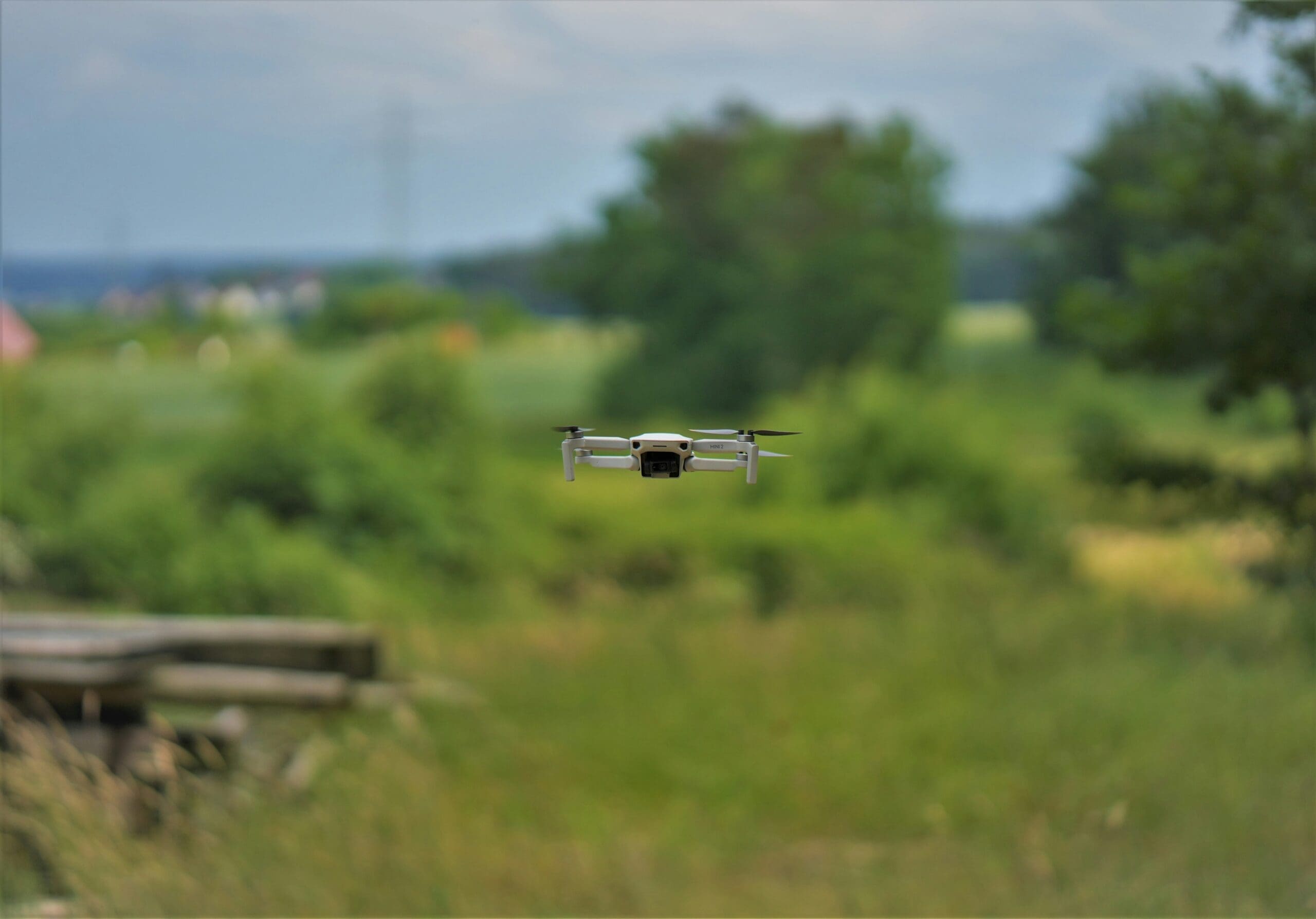
Small FPV drones have become a central tool on the modern battlefield, offering precision strike capabilities at relatively low cost. However, their effectiveness is often limited by range and signal constraints. Operators typically need to launch them close to the target, increasing exposure and reducing operational flexibility, especially in contested environments.
A recent field test by Petrel Technologies explored a way to overcome these limitations by moving the launch point into the air. In a live-fire exercise, a larger unmanned aircraft deployed multiple armed FPV drones mid-flight, effectively acting as a carrier platform. By transporting the smaller drones closer to their targets before release, the system extends their reach while keeping operators at a safer distance.
According to Interesting Engineering, the platform behind this concept is a hybrid vertical takeoff and landing (VTOL) drone (named AERO Sky) designed for longer endurance than typical quadcopters. It can take off and land without a runway, then transition to fixed-wing flight for more efficient travel over distance. This combination allows it to operate in remote or austere environments while covering larger areas than smaller drones.
Beyond its role as an airborne launcher, the system supports a range of mission types. It can be configured for intelligence gathering, surveillance, logistics delivery, or strike operations. In the strike configuration, it carries multiple FPV drones and releases them in sequence, enabling coordinated attacks or wider area coverage. Its hybrid-electric propulsion system contributes to extended flight time while maintaining operational flexibility.
From a defense perspective, the concept reflects a broader shift toward layered and distributed drone operations. Instead of relying on single platforms, forces are increasingly combining different types of unmanned systems to improve reach and survivability. An airborne launch platform adds another layer, allowing small drones to operate beyond their usual limits and reducing reliance on forward deployment.
The demonstration highlights how relatively simple systems can be adapted to address operational constraints. As drone use continues to evolve, approaches that extend range and reduce risk to personnel are likely to play a growing role in future missions.