This post is also available in:
 עברית (Hebrew)
As ground forces prepare for increasingly complex battlefields, one of the persistent challenges is how to add firepower without exposing more soldiers to risk. Main battle tanks remain central to maneuver warfare, but they can benefit from close support that can scout ahead, track threats and engage targets without placing additional crews in harm’s way.
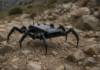
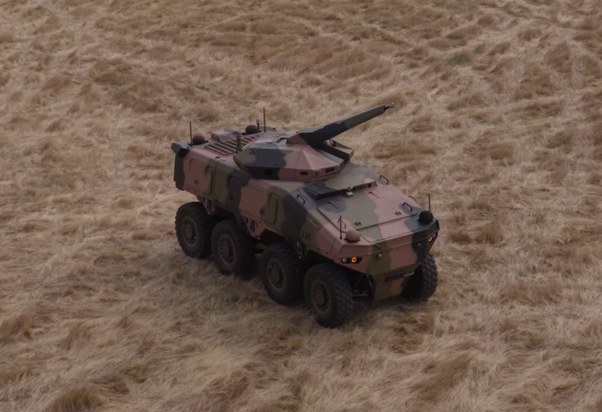
A recent series of land trials showcased a possible answer. An 8×8 uncrewed ground vehicle known as ATLAS (short for Autonomous Tactical Light Armor System) was tested with a medium-caliber automated turret called VANTAGE. The system is designed to provide offensive support to armored formations, operating alongside crewed platforms while remaining unmanned.
According to NextGenDefense, the vehicle is built to function at different levels of autonomy, both on and off-road. Equipped with a suite of sensors, it can interpret its surroundings in real time, navigate obstacles and carry out assigned missions with limited human intervention. During the latest trials, the integration of the turret added a new dimension: automated target detection and tracking.
The turret is intended as a lightweight and cost-conscious solution capable of identifying and following multiple threats simultaneously. Automating parts of the targeting process enables faster engagement cycles while reducing the cognitive burden on operators. Although the vehicle can be configured for various mission payloads, the addition of a medium-caliber weapon system positions it as a direct combat support asset rather than solely a reconnaissance or logistics platform.
The vehicle was moved from initial unveiling to a working demonstrator in 16 months. It is described as highly maneuverable and capable of operating in challenging terrain and adverse weather, characteristics considered essential for integration with armored units.
Systems like this reflect a broader shift toward teaming crewed and uncrewed platforms. By assigning “dull, dirty and dangerous” tasks to autonomous vehicles, militaries aim to preserve manpower while maintaining operational tempo. If further validated, an armed UGV with automated tracking could act as a force multiplier, extending the reach and survivability of armored formations on future battlefields.