

This post is also available in:
 עברית (Hebrew)
Amid growing global demand for precision munitions, a strategic partnership has been formed to dramatically expand production capabilities. According to Naval News, Raytheon has entered into five long-term framework agreements with the U.S. Department of War, aiming to significantly increase the production rate and delivery speed of critical weapon systems.
The agreements are designed to address the increasing need to bolster readiness and expand munition stockpiles. Under this framework, the company will expand the production of cruise missiles for both land attack and maritime strike variants, air-to-air missiles, and ballistic missile interceptors. The collaboration builds upon previous investments made by the company to expand its production lines.
The expansion plan outlines a significant surge in manufacturing output across multiple classes of advanced munitions. Annual production volumes are set to rise sharply, with output targets increasing by multiples compared to current levels, in some cases reaching several times today’s manufacturing rates. Both strike and interceptor munitions are included in the ramp-up, reflecting a broad effort to scale capacity rather than focus on a single capability area. Overall, the planned increases represent a substantial acceleration of production, underscoring a shift toward sustained, high-volume manufacturing to meet growing operational demand and replenish stockpiles at a much faster pace.
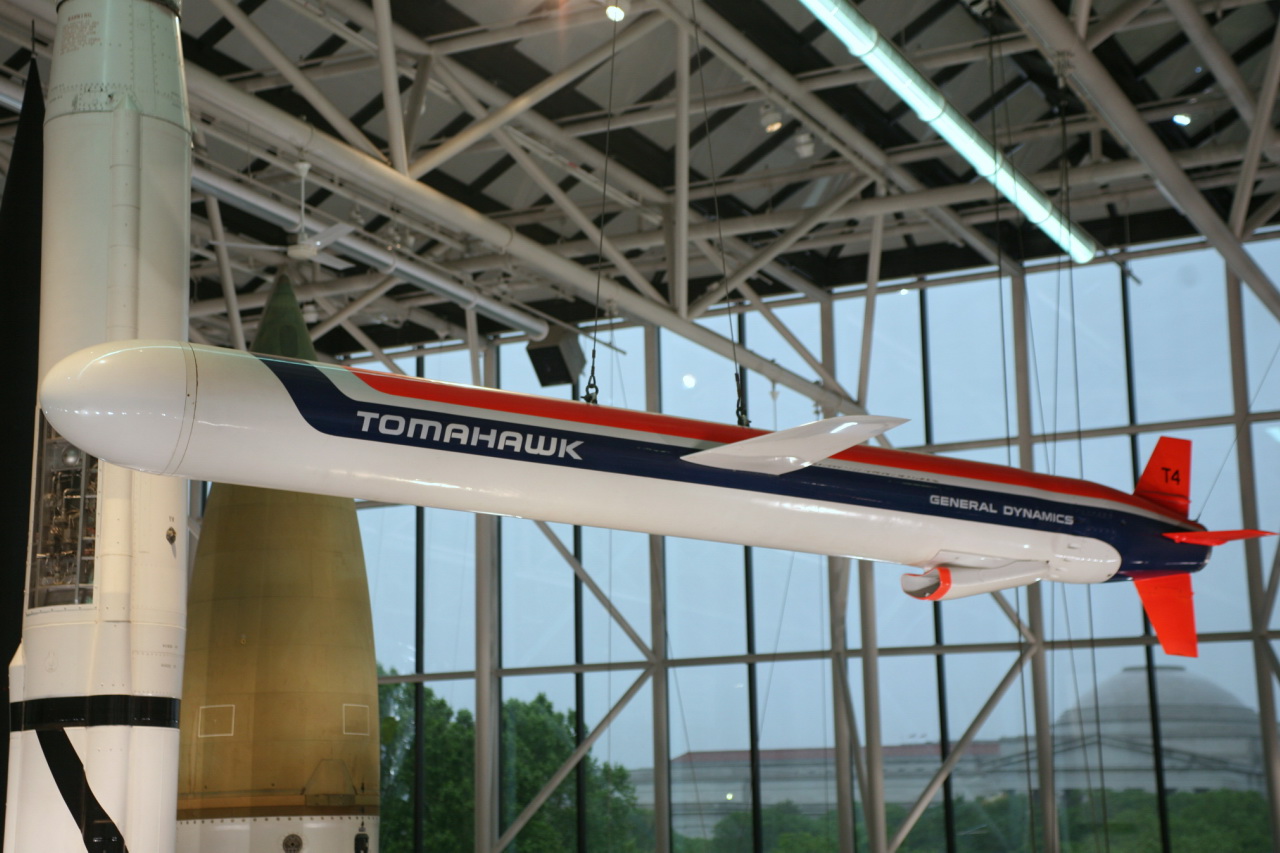
Among the systems being produced are the Tomahawk cruise missile, which is a long-range, ship- and submarine-launched strike weapon designed to penetrate dense air-defense networks and deliver precision effects at distances of up to roughly 1,600 kilometers, making it a preferred first-strike option for naval forces; the AMRAAM, which serves as the backbone of modern air-to-air combat, using advanced guidance, upgradable software architecture, and electronic protection to engage airborne threats from both fighter aircraft and ground-based launchers such as NASAMS; for ballistic missile defense, the SM-3 IB interceptor is optimized for exo-atmospheric engagements, relying on hit-to-kill kinetic technology to destroy short- and intermediate-range ballistic missiles beyond the Earth’s atmosphere; the newer SM-3 IIA variant expands this capability through larger propulsion stages and an improved kinetic warhead, enabling faster intercepts and coverage of significantly wider defended areas; and, rounding out the set, the SM-6 is a multi-mission missile capable of performing air defense, surface strike, and terminal ballistic missile defense roles, allowing a single system to address multiple threat types from both naval vessels and land-based launch platforms.
This move reflects a commitment to ensuring that armed forces and their allies maintain a decisive technological edge on the battlefield.























