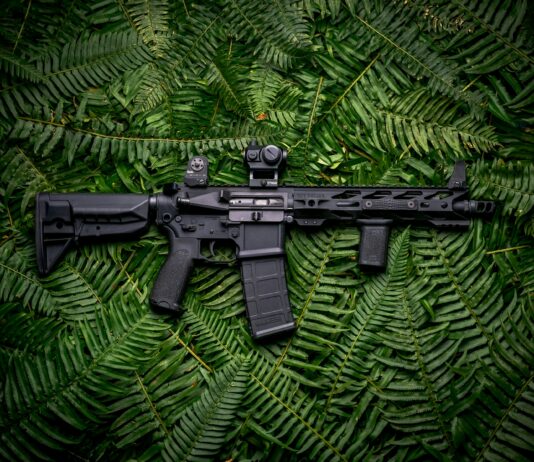




This New Ballistic Missile Can Strike Targets 500 Kilometers Away
Modern military operations increasingly depend on the ability to strike high-value targets from long distances before they can threaten friendly forces. Command posts, air...

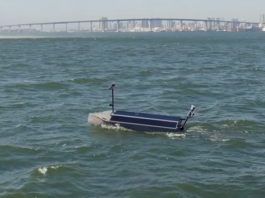
This Unmanned Warship Packs Missiles With a 290-Km Strike Range
Unmanned surface vessels are rapidly evolving from reconnaissance platforms into armed combat systems capable of operating alongside conventional naval forces. As maritime threats become...

This AI Surveillance Tool Can Detect, Classify, and Track Threats in...
Modern surveillance systems collect enormous amounts of visual information, but turning that data into actionable intelligence remains a challenge. Operators monitoring borders, military bases,...
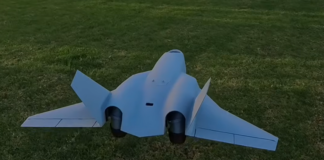
This 3D-Printed Interceptor Could Become a New Layer of Air Defense
The rapid spread of inexpensive drones has created a growing challenge for air-defense systems. Traditional surface-to-air missiles can be effective against unmanned aircraft, but...
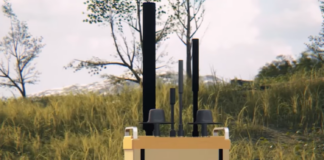
This AI-Powered System Can Track More Than 500 Drones at Once
The growing use of small drones around military installations has forced defense organizations to rethink how they protect sensitive facilities. Commercially available unmanned aircraft...
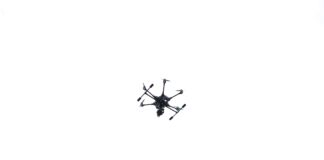
This AI-Powered Shield Watches the Sky for Drones 24/7
Protecting military bases from small drones has become increasingly difficult. Commercially available unmanned aircraft are becoming more capable, flying farther, carrying larger payloads and...

Meet the Robot Dog Built to Survive Arctic Ice and Freezing...
Collecting data in the Arctic is often as challenging as the research itself. Beneath seemingly solid snow can lie hidden pools of icy water,...

A New Airborne Detection System Could Expand Underwater Tracking Capabilities
Detecting objects beneath the ocean surface remains one of the most difficult challenges in maritime sensing. Water limits the effectiveness of many conventional detection...
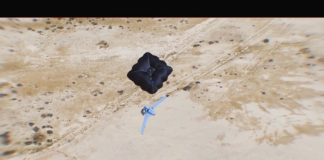
Aerodynamic Expertise Meets Defense Tech: The Technology Bringing Aircraft Safely Back...
Apco Aviation Defense is a graduate of the INNOFENSE Innovation Center operated by iHLS in collaboration with IMoD. This unique acceleration program removes entrance barriers to...

This AI Tool Helps Military Leaders Stay Ahead of Biological Threats
Biological threats present a unique challenge for military organizations. Information about disease outbreaks, unusual health events, laboratory findings, intelligence reports, and environmental conditions often...

This Balloon-Launched Missile Is Designed to Ignore GPS Jamming
Electronic warfare has become one of the defining features of modern conflict. Jamming systems can disrupt satellite navigation, interfere with communications, and reduce the...

Autonomous Ground Vehicles Are Heading to the Front Lines
Keeping frontline units supplied has always been one of the most dangerous tasks in military operations. Vehicles carrying ammunition, equipment, and spare parts often...
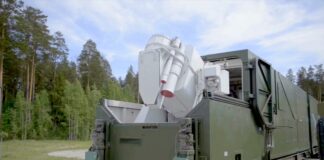
This Upgrade Could Eliminate One of Laser Weapons’ Biggest Weaknesses
High-energy laser weapons are steadily moving from development programs into operational military service, but maintaining them in the field remains a significant challenge. One...

A New Vision Sensor Mimics the Human Eye to Prevent Robotic...
One of the biggest challenges facing autonomous vehicles and robotic vision systems is adapting to rapidly changing lighting conditions. Cameras that perform well during...

The Mystery Around This Sixth-Gen Fighter Is Finally Starting to Lift
Sixth-generation combat aircraft are expected to reshape future air combat by combining low observability, long-range operations, advanced sensors, artificial intelligence, and close cooperation with...

This Tiny AI Chip Just Passed Military Flight and Space Tests
Artificial intelligence is becoming an essential part of modern military systems, but deploying it in operational environments presents a challenge. Aircraft, drones, satellites, and...

This Intelligent Network Gives Border Forces a New Weapon Against Drones
As drones become increasingly common along national borders and around critical infrastructure, detecting them is only part of the challenge. Border security agencies also...

INNOFENSE Innovation Center by iHLS – Bringing Together Startups, Industry Leaders,...
This week, another workshop was held as part of the INNOFENSE program, the innovation center operated by iHLS in collaboration with Israel’s Ministry of...

From Fish to Fleet: A New Approach to Underwater Robotics
Designing underwater robots that can move efficiently and adapt to changing currents remains a complex challenge. Traditional systems rely on external sensors and pre-programmed...

New Counter-Drone Technology Keeps Weapons Locked on Targets While Driving
Small drones have become one of the fastest-growing threats on the modern battlefield. Whether used for reconnaissance, target acquisition, or carrying explosive payloads, they...

A Major Upgrade Is Coming to Military Night Vision
Night operations have become a standard part of modern military activity, but many frontline troops still rely on night vision technology designed more than...

The Technology Giving Security Forces More Time to Spot Drones
Small drones have become one of the most challenging threats facing security forces in recent years. Their compact size, low-altitude flight profiles, and minimal...
Latest
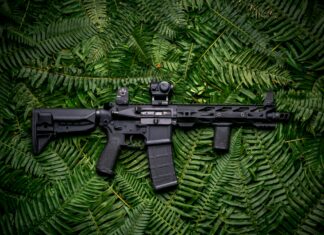
This Rifle Upgrade Times Every Shot to Help Hit Fast-Moving Drones
Small drones have become a difficult target for infantry. They can approach quickly, change direction and present a much smaller target than a conventional...