This post is also available in:
 עברית (Hebrew)
As hypersonic weapons development accelerates, one of the key challenges has been integration, meaning how to effectively deploy these large, high-speed systems from existing aircraft. Unlike conventional munitions, hypersonic missiles are heavier, more complex, and require specialized mounting and release mechanisms. Adapting current platforms to carry them without compromising performance has proven to be a significant technical hurdle.
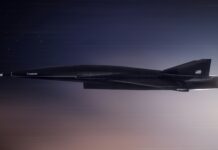
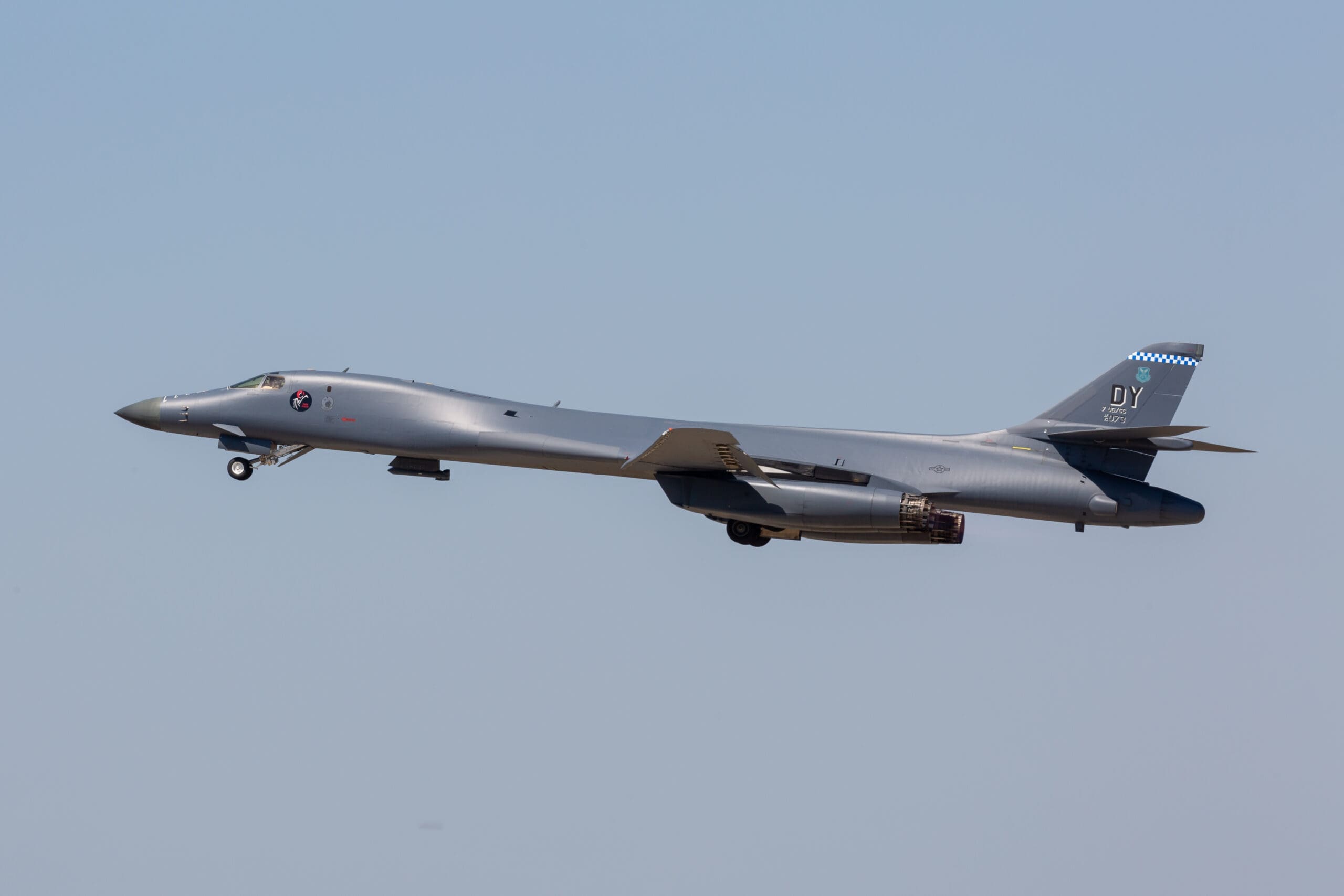
Recent footage suggests that progress is being made. A strategic bomber (B-1B Lancer) has been seen carrying a hypersonic missile externally for the first time, indicating that integration efforts are moving beyond early-stage testing. According to Interesting Engineering, the missile, mounted on an underwing pylon, represents a new class of air-launched capability that had previously only been associated with other aircraft types. While details of the specific flight were not disclosed, the visual confirmation alone points to a successful step in validating the platform’s ability to handle such payloads.
Supporting information from budget documents provides additional context. Testing has already demonstrated the aircraft’s ability to carry and release heavy payloads in the 2,265-kg class using a modular pylon system. These pylons are designed to accommodate larger and more advanced weapons, offering greater flexibility compared to older configurations. This approach allows for faster adaptation as new munitions are developed.
Beyond basic carriage, the integration reflects a broader shift in how bomber platforms are expected to operate. Rather than relying solely on internal payloads, external mounting options expand the range and types of weapons that can be deployed. This is particularly relevant for hypersonic systems, which are typically too large for traditional internal bays.
From a defense perspective, enabling multiple aircraft to carry hypersonic weapons increases operational flexibility and reduces reliance on a single platform. It also supports stand-off strike concepts, where targets can be engaged from long distances while keeping aircraft outside high-risk zones. As these capabilities mature, they are likely to play a growing role in deterrence and rapid-response scenarios.
While many details remain undisclosed, the development marks a tangible step forward. It indicates that hypersonic integration is progressing from concept to practical implementation, even if full operational capability is still some distance away.