This post is also available in:
 עברית (Hebrew)
Hypersonic weapons promise unmatched speed and reach, but they are held back by a fundamental engineering problem: propulsion efficiency. Flying faster than Mach 5 places extreme demands on engines, especially during the transition from launch to sustained cruise. Current hypersonic missiles often depend on large rocket boosters to reach the speeds where ramjet or scramjet engines can operate efficiently. Those boosters add weight, limit range, and drive up cost, narrowing how and where such weapons can be used.
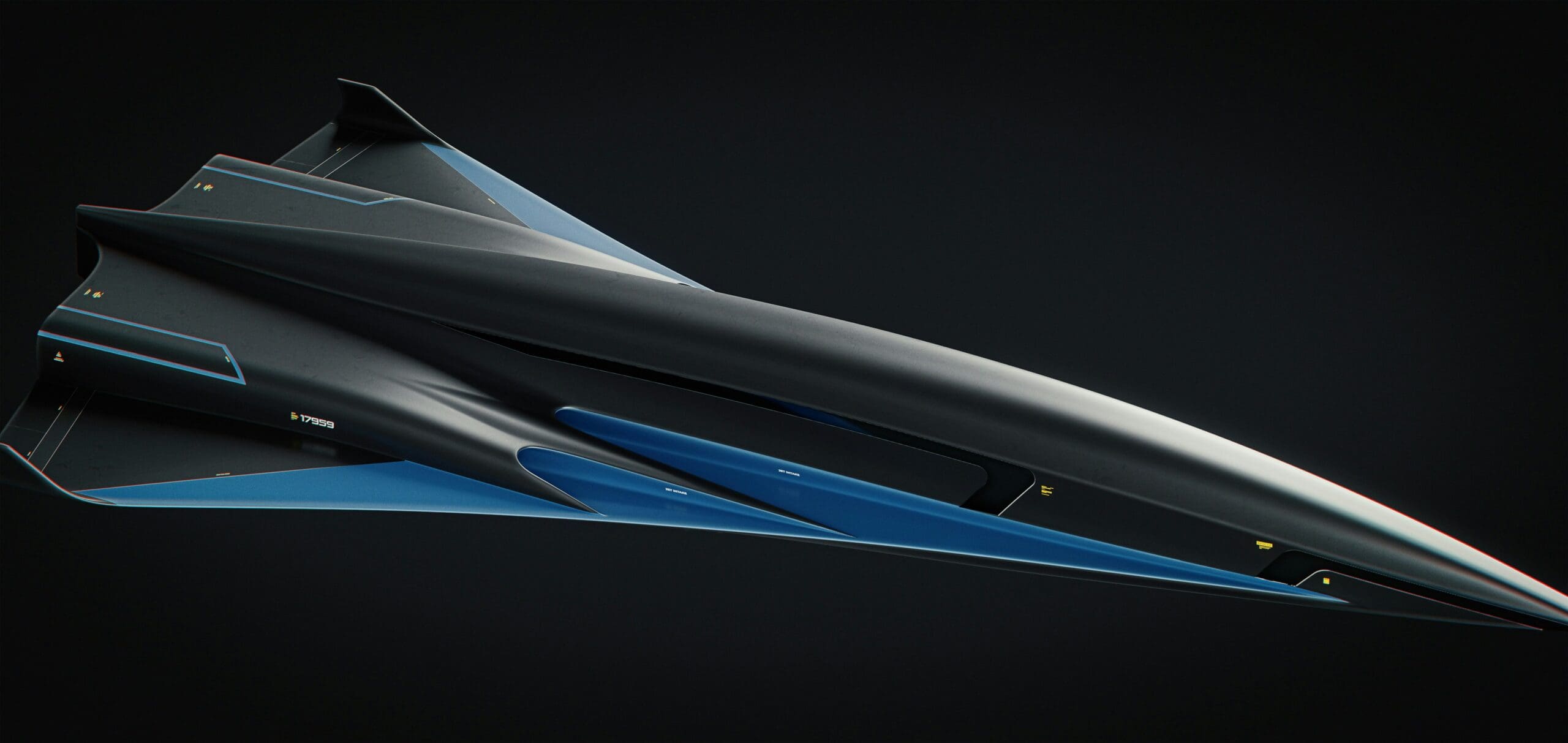
A recent propulsion demonstration points to a potential way around that constraint. Engineers have successfully tested a new engine concept that combines a liquid-fueled rotating detonation engine with a dual-mode ramjet inlet. The goal is to reduce reliance on oversized boosters while maintaining efficient operation across a wide range of speeds, from supersonic to hypersonic flight.
The core innovation is the rotating detonation engine. Unlike conventional engines that rely on steady combustion, this design sustains a continuous detonation wave that travels around a circular chamber. Fuel and oxidizer are injected in a way that keeps pressure high throughout the process, extracting more energy from each burn. This approach can be significantly more efficient than traditional combustion methods, while also allowing the engine to be smaller and lighter.
Crucially, the rotating detonation core can operate at lower speeds than a standard ramjet. That means a missile does not need to rely entirely on a powerful rocket booster just to ignite its main engine. As speed increases, the same engine can transition smoothly between ramjet and scramjet modes, maintaining performance as airflow conditions change.
According to Interesting Engineering, managing that airflow is where the second half of the system comes in. The newly tested tactical inlet is designed to handle extreme shockwave interactions at very high speeds. Its geometry and control logic regulate how air is compressed and delivered to the engine, ensuring stable combustion across different altitudes and Mach numbers. This helps address one of the historical weaknesses of detonation-based engines: inconsistent performance outside narrow flight envelopes.
From a defense perspective, the implications are substantial. More efficient hypersonic propulsion could translate directly into longer range, smaller launch systems, and lower unit costs. That, in turn, makes hypersonic weapons easier to deploy in larger numbers and from more flexible platforms, complicating missile defense and compressing response times for adversaries.
While the technology is still in the demonstration phase, it highlights a broader trend in hypersonics: shifting focus from raw speed to efficiency and practicality. If rotating detonation ramjets mature as expected, they could become a key enabler for the next generation of hypersonic missiles and potentially high-speed aircraft, extending reach without the penalty of massive boosters.