



Calling All Startups: INNOFENSE Opens Applications for Dual-Use Technologies
If your startup applies to one of the following subjects, consider submitting your applications for INNOFENSE’s seventh cycle until October 15th, 2026:
Early, remote...

This Radar Can Watch the Sky Without Giving Away Its Position
Air-defense radars face an inherent problem: the signals they transmit to find aircraft can also reveal where the radar itself is located. In a...
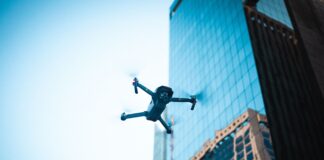
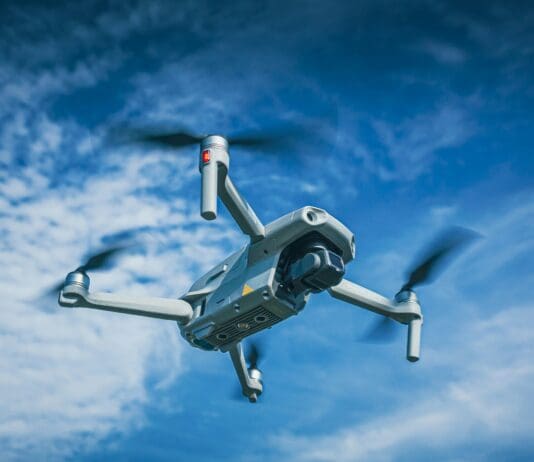
Your 5G Network Could Soon Double as a Drone Detector
Detecting unauthorized drones around airports, power plants, stadiums and other sensitive locations usually requires dedicated radars, radio-frequency sensors or cameras. Deploying enough of those...

INNOFENSE Is Looking for the Next Generation of Dual-Use Startups
iHLS and the Ministry of Defense invite you to join the seventh cycle of INNOFENSE and receive a remarkable opportunity to showcase your technology...
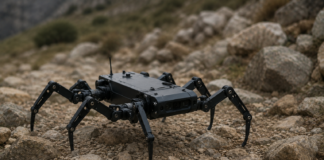
AI Gives This Six-Legged Robot an Insect-Inspired Way to Walk
Legged robots can cross terrain that stops wheeled machines, but coordinating several legs over unpredictable ground is difficult. Many robots rely on predefined gaits,...

This Tiny Robot Can Keep Jumping as Long as the Light...
Small robots designed to cross rough terrain face a basic mechanical challenge: jumping usually requires a mechanism to store energy, release it and then...

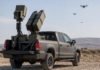
This Robot Hunts for Drones So Soldiers Don’t Have To
Detecting small drones often requires sensors to be positioned close enough to likely flight paths to pick up their signals. On a battlefield, however,...

This Color-Changing Spray Could Reveal Invisible Biological Threats
Detecting biological contamination in the field can be difficult. Military personnel operating in an unfamiliar environment may need to determine whether equipment, buildings or...

A High-Speed Robot Boat Is Becoming a Floating Drone Carrier
Small, unmanned boats are increasingly being used for surveillance, logistics and other maritime missions, but their usefulness has traditionally ended at the water's surface....

A New Trailer Can Charge Drones, Power Sensors and Haul Cargo
Supplying electricity on the modern battlefield is becoming almost as important as delivering fuel or ammunition. Military units now rely on drones, electronic warfare...

INNOFENSE Call for Startups – Dual-Use Technologies
Following the immense success of the previous cycles and their integration into the defense sector, iHLS and the Ministry of Defense invite you to...
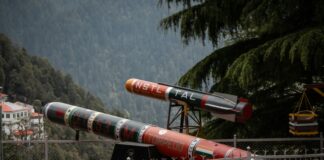
This Torpedo Gets Wings Before It Goes Underwater
Anti-submarine aircraft traditionally need to get relatively close to the area where a submarine is believed to be operating before deploying a torpedo. That...
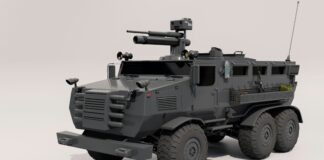
This Autonomous Hybrid Vehicle Could Take Soldiers Out of Supply Missions
Keeping frontline forces supplied is one of the most dangerous tasks on the battlefield. Delivering ammunition, food, fuel and medical equipment often requires convoys...

Tiny Thermal Sensors Could Give Military Drones Much Better Night Vision
Drones increasingly need to operate at night, through smoke and in other conditions where conventional cameras struggle. Thermal imaging can solve that problem by...

Not Just What You Say, but How You Say It: Timlul’s...
Timlul is a graduate of the INNOFENSE Innovation Center operated by iHLS in collaboration with IMoD. This unique acceleration program removes entrance barriers to the technological...
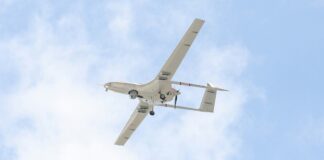
This Portable System Is Built to Command Future Autonomous Aircraft
Collaborative combat aircraft are being developed to fly alongside crewed fighters, carrying sensors, electronic warfare equipment or weapons while taking on missions that may...

This Cyber Test Creates Thousands of Malware Variants to Challenge Defenses
Cybersecurity tools are typically tested against known malicious files and behaviors, but real attackers rarely leave their code unchanged. Malware can be rewritten or...
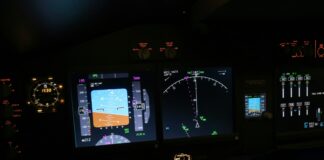
What If You Could Find Your Air Defense’s Blind Spots Before...
Counter-drone systems are becoming an essential part of military base protection, but knowing whether they will perform as expected during a real attack remains...
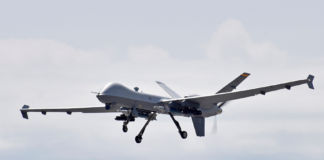
This Drone Could Cross Oceans Before Launching Its Missiles
Long-endurance drones such as the MQ-9 Reaper have spent decades performing surveillance and strike missions, but the environment they were designed for is changing....
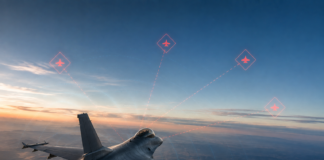
Synthetic Threats Bring New Complexity to Real Air Combat Training
Large-scale air combat exercises face a practical limitation: creating a realistic battlefield can require dozens of aircraft, support platforms and air-defense systems operating simultaneously....
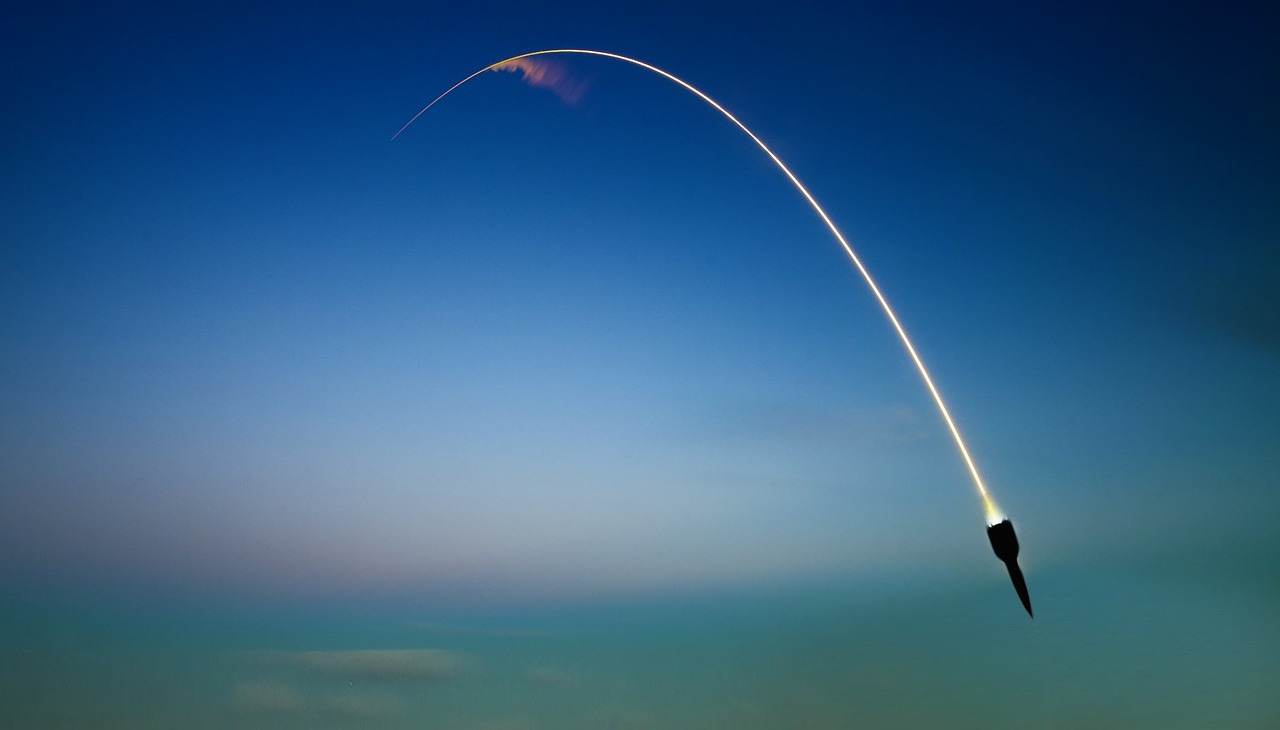
New Edge Computing Could Make Missile Warnings Faster From Space
Space-based sensors can generate enormous amounts of data while monitoring missile launches, spacecraft and other fast-moving threats. The challenge is getting useful information to...

A New Submarine Drone Is Built to Patrol Where GPS Can’t...
Monitoring large areas beneath the sea is difficult, expensive and potentially dangerous. Crewed submarines and surface vessels can perform surveillance and mine-clearing missions, but...
Latest

New Hardware Attack Exposes a Blind Spot in Secure Cloud Computing
Confidential computing is supposed to solve one of cloud computing's biggest security problems: how to process sensitive information on infrastructure operated by someone else...