This post is also available in:
 עברית (Hebrew)
Carrier-based aviation is under pressure to extend its operational reach while reducing the workload on manned aircraft. Fighter jets are often tasked not only with combat missions, but also with support roles such as aerial refueling. This dual burden limits their availability and reduces overall efficiency, particularly in long-range operations.
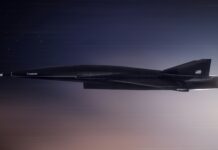
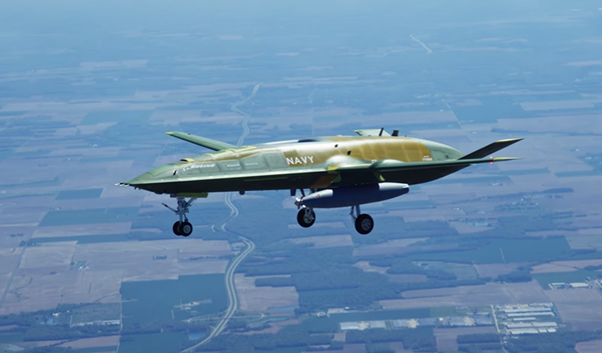
A new unmanned aircraft (the US Navy’s MQ-25A Stingray) is designed to address this by taking over the refueling role. Instead of relying on crewed fighters, the system operates as an autonomous tanker, allowing combat aircraft to focus on their primary missions. By offloading this function, it effectively extends the range of carrier-based air operations.
According to Interesting Engineering, in recent testing, the platform demonstrated a full autonomous flight sequence, including taxiing, takeoff, navigation, and landing. The aircraft followed pre-programmed routes while operators monitored performance from a ground control station. This validates its ability to operate without direct pilot input, a key requirement for integration into complex carrier environments.
The system is built to function within existing operational frameworks. It uses dedicated control systems that allow operators to supervise multiple phases of the mission while maintaining safety and coordination with other aircraft. This is particularly important in carrier operations, where space is limited and precision is critical.
Beyond refueling, the platform is designed with flexibility in mind. It can support additional roles such as surveillance or intelligence gathering, depending on how it is configured. This multi-role potential adds to its value as part of a broader unmanned ecosystem.
From a defense perspective, autonomous support aircraft represent a shift toward manned-unmanned teaming. By combining human-operated fighters with unmanned systems, forces can expand capability without increasing risk to personnel. This approach also supports longer-duration missions and more distributed operations.
The development reflects a broader trend in military aviation, where autonomy is being integrated into core functions rather than remaining limited to experimental roles. As testing continues, systems like this are expected to play an increasing role in extending operational reach and improving efficiency in complex environments.