
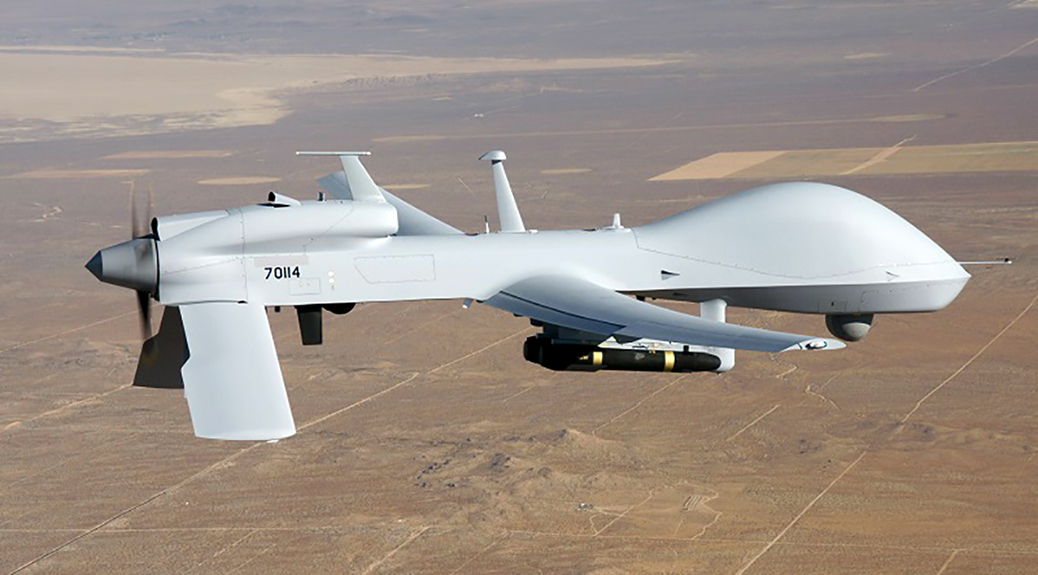
Military and civil organizations worldwide are presently looking at the possibilities of using unmanned aircraft for cargo transport, ranging from fast package delivery in urban areas and long-range direct flights to areas without easy access, to supplies of medicine and ammunition in crisis and combat areas.
As of today, U.S. Army military logistics experts are reaching out to the industry to find companies able to prototype an unmanned aerial vehicle (UAV) cargo aircraft able to transport as much as 300 kilograms of military supplies like ammunition, water, and food to forward-deployed warfighters engaged on the battlefield.
Officials of the Army Contracting Command in Warren, Michigan, announced plans to issue a request for prototype proposals for a medium-size UAV able to move supplies quickly to and from the battlefield.
According to militaryaerospace.com, army experts want a UAV prototype able to carry a payload of between 20 and 300 kilograms of supplies while maintaining a gross take off vehicle weight of less than 600 kilograms. This project is part of the Autonomous Unmanned Aerial Systems (UAS) program.
The prototype could be roughly similar to an Airbus VSR700 rotary-wing UAV. Army experts will tailor the finished resupply UAV prototype to different capabilities to study its capabilities across several echelons of sustainment operations.
Prototype must integrate with traditional Army ground units. Several prototypes are required, such that the Army can demonstrate basic swarming concepts. The UAV may be powered by batteries or fuel engines. The primary focus is assessing the influence of these types of systems on the supply chain.
The system should be able to travel a tactically relevant distance with vehicle size and weight as small as a possible to reduce logistical burden of transporting the platform around the battlefield. The UAV should have at least a basic level of flight system machine autonomy for take-off, landing, and waypoint navigation. There will be no follow-on production contract.