This post is also available in:
 עברית (Hebrew)
Modern navies are being pushed toward capabilities their current ships were never designed to support. Sensors are becoming more power-intensive, hypersonic weapons demand new launch infrastructure, and electronic warfare environments are growing more complex. For the US Navy, the long-serving Arleigh Burke–class destroyers are approaching the limits of how much more can be added to their hulls. Even with continuous upgrades, they lack the space, power and cooling margins needed for the systems expected to define combat in the coming decades.
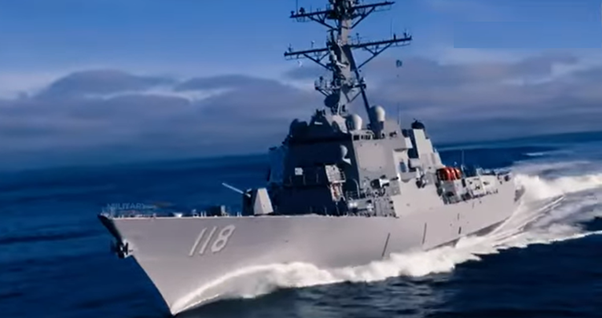
The DDG(X) program is the proposed solution to that problem. The design effort focuses on creating a new large surface combatant that can carry today’s systems while being structurally prepared for technologies that are still in development. Rather than attempting a clean-sheet, high-risk design, the US Navy is combining proven elements from its existing Burke fleet with features drawn from the Zumwalt-class—particularly its integrated power architecture.
Peer militaries are fielding increasingly long-range anti-ship missiles, advanced air defenses, and capable surface fleets. A destroyer that cannot scale up its sensors or weapon capacity will struggle to survive, let alone contribute meaningfully to joint operations. A ship with greater electrical power, improved stealth shaping, and room to integrate future weapons is better positioned for contested maritime environments.
According to The Defense Post, planned features for the ship reflect this emphasis on growth. The ship is expected to use the SPY-6 radar and other elements of the Aegis Flight III combat system, but in a larger hull with significantly expanded power and cooling reserves. An integrated power system would support energy-hungry tools like directed-energy weapons and next-generation electronic warfare suites. The hull is being sized to accept larger missile cells, including those needed for hypersonic weapons, while refined shaping aims to reduce infrared, acoustic and underwater electromagnetic signatures.
Automation and improved internal layouts are expected to help reduce crew size, lowering long-term operating costs while maintaining combat effectiveness.
The program still faces hurdles, including cost uncertainty and a long timeline before the first ship joins the fleet. But the concept represents an attempt to build a destroyer designed for decades of technological change rather than incremental upgrades—a shift toward surface combatants built with future conflict in mind.